
Ultimate Guide To Foundation Repair Products For Structural Safety
Learn about essential products that reinforce your foundation and help maintain the safety and value of your home.
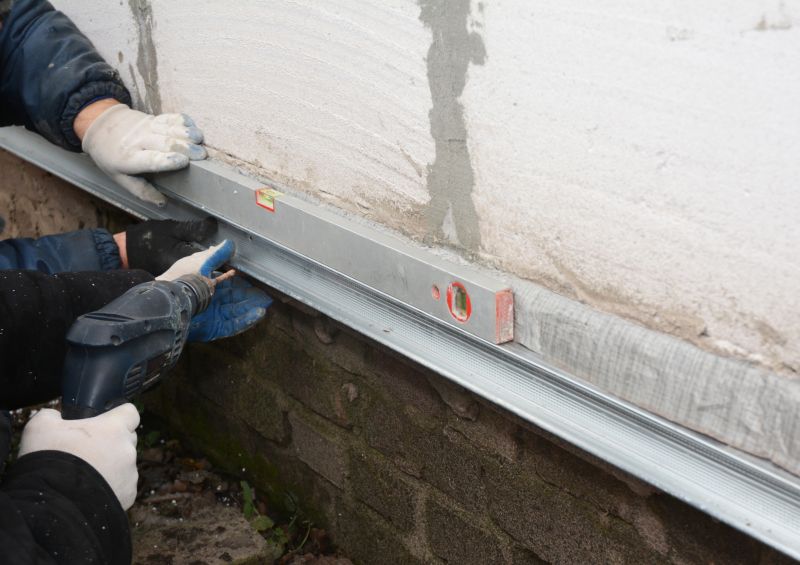 Foundation repairs are a critical aspect of maintaining the structural integrity of a building. When issues such as cracking, settling, or shifting are detected, selecting the appropriate repair products becomes essential to ensure safety and longevity. The market offers a variety of solutions designed to address different types of foundation problems, from minor cracks to significant structural shifts. Understanding the options available can help homeowners and contractors make informed decisions tailored to the specific needs of each project.
Top Overall Option
Polyurethane Injection Kits
Polyurethane injection kits are versatile solutions used to fill cracks and stabilize foundations by sealing gaps and preventing water intrusion. They are often favored for their ease of use and ability to expand, filling voids and lifting sections of the foundation. Suitable for minor to moderate repairs, these kits can be applied in various foundation types, providing a non-invasive option for many homeowners and professionals. Proper application ensures effective sealing and stabilization, helping to mitigate further damage and maintain structural integrity.
Types of Products For Foundation Repairs
Carbon Fiber Reinforcement Strips
Used to reinforce and stabilize cracked concrete walls, these strips are applied with epoxy to provide additional strength and prevent further cracking.
Concrete Piers and Lifting Posts
These are used to lift and stabilize sinking or settling foundations, providing support beneath the structure.
Mudjacking and Slab Jacking Materials
Materials such as polyurethane foam or mud are injected beneath concrete slabs to lift and level uneven surfaces.
Helical Piles and Anchors
Deep foundation support systems that transfer load to stable soil layers, ideal for significant settlement issues.
Epoxy Injection Products
Used to fill and seal cracks in concrete, restoring strength and preventing water intrusion.
Underpinning Systems
Support systems that extend the foundation's depth or width to improve stability and load-bearing capacity.
Waterproofing Membranes and Sealants
Applied to foundation walls to prevent water infiltration and protect against moisture-related damage.
Soil Stabilization Additives
Chemicals or mixes used to improve soil conditions around the foundation, reducing shifting and settling.
Foundation Repair Anchors
Anchors installed to stabilize bowing or leaning walls by connecting them to stable soil or framing.
Grout and Mortar Mixes
Used to fill voids and cracks in foundation structures, providing additional support and sealing.
Drainage Systems and Pumps
Systems designed to redirect water away from the foundation, reducing hydrostatic pressure and moisture issues.
Injection Pumps and Equipment
Tools used to deliver repair materials precisely into cracks or voids within the foundation.
Polyurethane Foam Kits
Expandable foam used to lift and stabilize sunken slabs or fill voids beneath concrete surfaces.
Steel Support Beams
Structural steel elements used to reinforce and support weak or compromised foundation walls.
Concrete Sealers and Coatings
Protective coatings applied to foundation surfaces to prevent water ingress and deterioration.
Popular Choices
Widely used for crack sealing and small-scale lifting, these kits are popular for their ease of application.
Commonly chosen for sealing cracks and restoring concrete strength, these kits are suitable for various foundation types.
Often selected for underpinning and stabilization, these systems provide support beneath sinking foundations.
Effective in managing water around the foundation, these systems are frequently used to prevent moisture-related issues.
Popular for reinforcing cracked basement walls, these strips help prevent further cracking and bowing.
A preferred method for leveling uneven slabs with minimal disruption and quick results.
Chosen for their ability to support heavily settled structures, especially in challenging soil conditions.
Commonly used to protect foundation walls from water intrusion, extending the lifespan of the structure.
Frequently installed to reinforce weak points and improve overall structural stability.
Popular for quick fixes to minor cracks and gaps, helping to prevent water ingress and further deterioration.
Widely used for precise application of repair materials into cracks and voids.
Often selected to improve soil conditions around the foundation, reducing movement and settlement.
Chosen for their strength and durability in supporting heavy loads and addressing significant settlement.
Many foundation repair products are engineered to stabilize and lift foundations, prevent further movement, and restore the building's original alignment. These products often vary in their application methods, materials, and suitability for different foundation types, such as concrete slabs, pier and beam systems, or crawl spaces. Proper assessment of the foundation condition is vital before choosing repair solutions, and consulting with a foundation specialist can provide valuable guidance.
In addition to repair-specific products, there are tools and accessories designed to facilitate installation and ensure long-lasting results. These include specialized pumps, jacks, and injection kits that allow for precise application of repair materials. Safety considerations and adherence to manufacturer instructions are paramount during installation to achieve optimal outcomes. Regular maintenance and inspections can also help identify early signs of foundation issues, enabling timely intervention with the right products.
Investing in quality foundation repair products can contribute to the overall stability and safety of a structure. While the selection process may seem overwhelming given the variety of options, understanding the different product types and their intended uses can simplify decision-making. Whether addressing minor cracks or major structural concerns, choosing the right products tailored to the specific problem can support a durable and secure foundation for years to come.
Key Buying Considerations
- Assess the specific foundation issue, whether it involves cracking, settling, or bowing walls.
- Determine the foundation type, such as concrete slab, crawl space, or basement, to select compatible products.
- Consider the severity and extent of damage to choose appropriate repair solutions.
- Evaluate the ease of application and whether professional installation is recommended.
- Review product compatibility with existing foundation materials and conditions.
- Check for product durability and long-term performance data.
- Ensure that repair products are suitable for the local soil and climate conditions in Morris, IL.
- Consider the potential need for supplementary systems like waterproofing or drainage.
- Factor in the cost of materials and installation, including potential future maintenance.
- Verify manufacturer instructions and safety guidelines for proper use.
- Look for products with good customer feedback and proven track records.
- Determine if the product can be used for minor repairs or if more extensive solutions are necessary.
- Assess the environmental conditions, such as moisture levels and soil type, that may impact repair effectiveness.
- Consult with a foundation repair specialist to confirm product suitability for your specific situation.
- Review warranty or guarantee options offered with the repair products.
This page contains affiliate links. We may earn a commission if you purchase through these links, at no additional cost to you.